
Facts
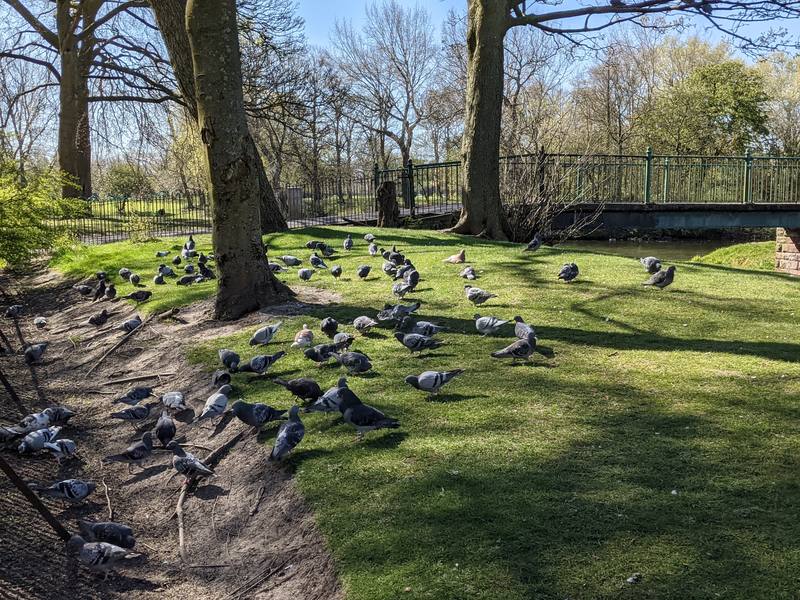
Pigeons are among the oldest domesticated birds, and the feral pigeons found in cities descend from the rock dove. This section answers common questions about where pigeons come from, what a male, female, baby or group is called, how their bodies work and why their neck feathers shimmer green and purple. It also covers conservation status, symbolism and the ethics of dove releases.
-
Facts
Pigeon Symbolism Explained
Pigeons and doves belong to the same bird family, and the dove, especially with an olive branch in its beak, is a widely recognised symbol of peace. The…
-
Facts
How Do Pigeons Sleep? Where They Roost and Why One Eye Stays Open
Pigeons sleep mainly at night, on a high and sheltered perch such as a ledge, beam or branch. They draw the head down into the shoulders instead of…
-
Facts
25 Amazing Facts About Pigeons
These are 25 facts about pigeons, the birds that live in towns and cities around the world and that many people also keep as pets. 1. They Can…
-
Facts
A Pigeon’s Life Cycle Explained
A pigeon’s life cycle runs from egg to squab, fledgling, juvenile and adult. The eggs hatch after 17 to 19 days, the squabs stay in the nest for…
-
Facts
Why Do Pigeons Have Red Eyes? Pigeon Eye Colour Explained
Pigeons’ eyes look red or orange because the iris holds yellow-orange pigments called pteridines on top of reflective guanine crystals, and blood vessels in the outer iris add…


