Health
Signs of illness, common pigeon diseases and when a bird needs a vet.

-
Health
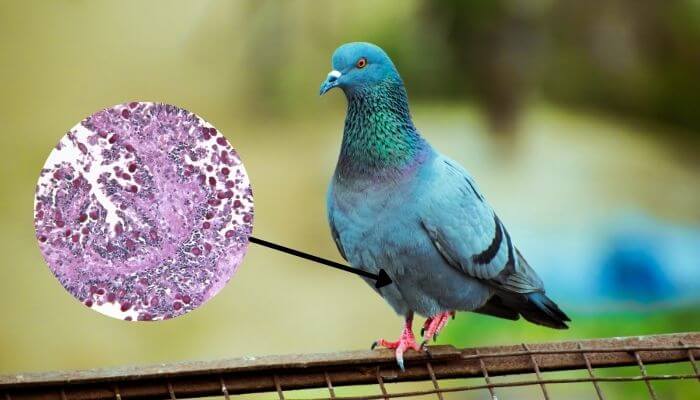
Paratyphoid in Pigeons
Caused by Salmonella bacteria, paratyphoid can be a danger to pigeons at any time of year, and many fanciers see it most in autumn and winter. It is…
-
Health
Bird Flu in Pigeons: What You Need to Know
Bird flu (avian influenza) is an infectious type of influenza that spreads among birds, and pigeons can catch it. Severe cases can be fatal, and some strains can,…
-
Health
Coccidiosis in Pigeons: Symptoms, Treatment and Prevention
Coccidiosis is a fairly common intestinal illness in pigeons. The parasite is present in most pigeons, but they usually develop immunity to it, so carrier birds are still…
-
Health
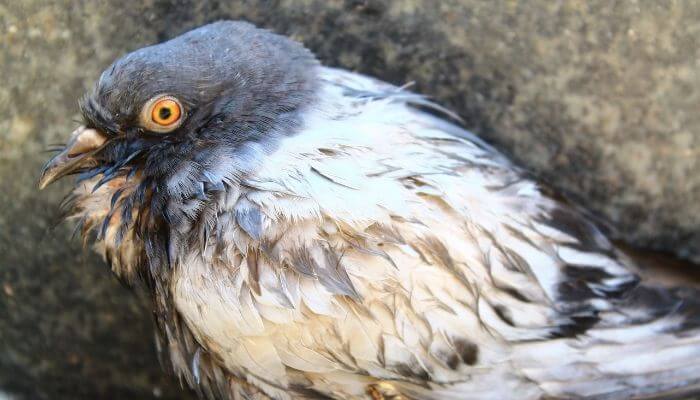
How to Recognise a Sick Pigeon – 10 Symptoms To Watch Out For
A sick pigeon, whether a feral bird, a pet or a wood pigeon in the garden, usually sits fluffed up and still, lets people get close, eats little…
-
Health
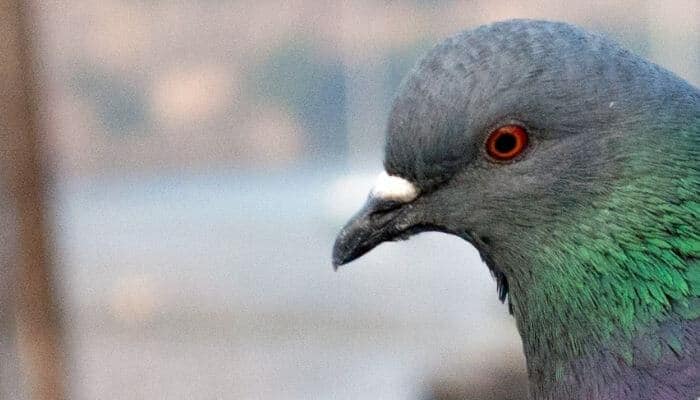
A Pigeon’s Beak: All You Need To Know + Common Problems
A pigeon’s beak is a short, slim bill covered in keratin, with a soft, pale swelling at the base called the cere or wattle. It is built for…
-
Health
Sour Crop in Pigeons: Problems & Prevention
Sour crop is a condition suffered by many species of birds including chickens, parrots and pigeons. A crop that is puffed up with air is a different thing.…
-
Health
What Is a Pigeon’s Cere & What Is Its Function?
The cere is the fleshy swelling at the top of a pigeon’s beak, above the nostrils. Pigeon keepers usually call it the wattle. On an adult feral pigeon…
-
Health
Pigeon Moulting: Everything You Need To Know
Pigeons moult once a year, slowly replacing their feathers over several months. In feral pigeons in the northern hemisphere, a study in the Journal of Avian Biology found…
-
Health
What To Do If You Find An Injured Pigeon
If you find an injured pigeon, contain it in a ventilated cardboard box lined with a towel, keep it somewhere warm, dark and quiet, and contact a vet…
-
Health
Do Pigeons Have Good Eyesight?
Pigeons have eyes on the sides of their head, which gives them an almost all-round view. Each eye covers more than 180 degrees, and together they cover about…