Health
Pigeons tend to hide illness until it is advanced, so early changes in droppings, posture, breathing or appetite are worth noticing. This section covers common diseases such as canker, paratyphoid, adenovirus and ornithosis, along with injuries, stress and what droppings can tell you. The guides give background only: a sick or injured bird should be seen by an avian vet.
-
Health
Why A Pigeon May Not Sit On Their Eggs: 5 Reasons
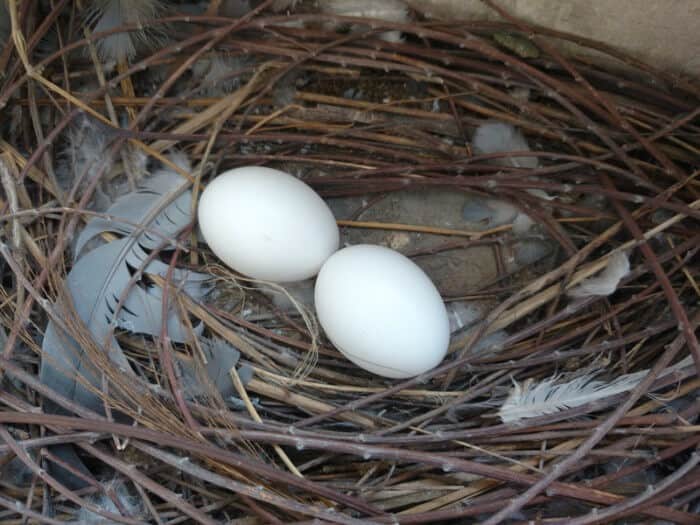
A pigeon that isn’t sitting on its eggs is often just waiting for the second egg, which usually comes about two days after the first, or taking a…
-
Health
Do Pigeons Explode If They Eat Baking Soda or Rice?
No. Pigeons do not explode if they eat rice or baking soda. Uncooked rice swells far too slowly to hurt a bird, and when 60 doves and pigeons…
-
Health
Pigeon Lice: How to Spot, Treat and Prevent Them
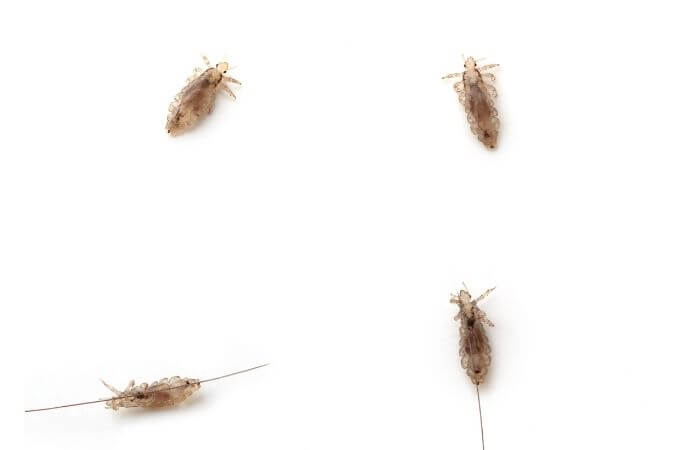
Pigeon lice are chewing insects that live among the feathers and feed on feather material and skin debris, not on blood. The slender pigeon louse (Columbicola columbae) is…
-
Health
How Cold Is Too Cold For Pigeons?
For a healthy adult pigeon in good feather, there is no fixed temperature that is too cold. Pigeons live through northern winters in Canada and the US, and…
-
Health
How Do Pigeons Mate?
Pigeons mate by pressing their cloacas (the opening under the tail) together for a second or two after courtship that includes bows, soft coos and billing. Most pairs…
-
Health
Do Pigeons Carry Diseases? Is Touching Them Dangerous?
Pigeons can carry a few infections that can pass to people, mainly psittacosis, salmonella, and the fungi that cause cryptococcosis and histoplasmosis. Health agencies describe the risk as…