
You cannot shorten the pigeon breeding cycle, but you can stop it stalling. A pair lays two eggs, incubates them for about 17 days and rears the squabs for about four weeks, and the hen is ready to nest again about a week after hatching. The gains come from two nest boxes per pair, only mated pairs in the loft, a balanced diet and a calm, predator-proof loft.
Pigeonpedia is a participant in the Amazon Associates programme. If you buy through the Amazon link on this page, we may earn a small commission at no extra cost to you.
How the breeding cycle runs
Once a pair has bonded and built a nest, the hen lays two eggs one to two days apart. Both parents take turns sitting on them, and the first egg hatches after about 17 days, with the second about 24 hours later (Oregon State 4-H manual (opens in new tab)).
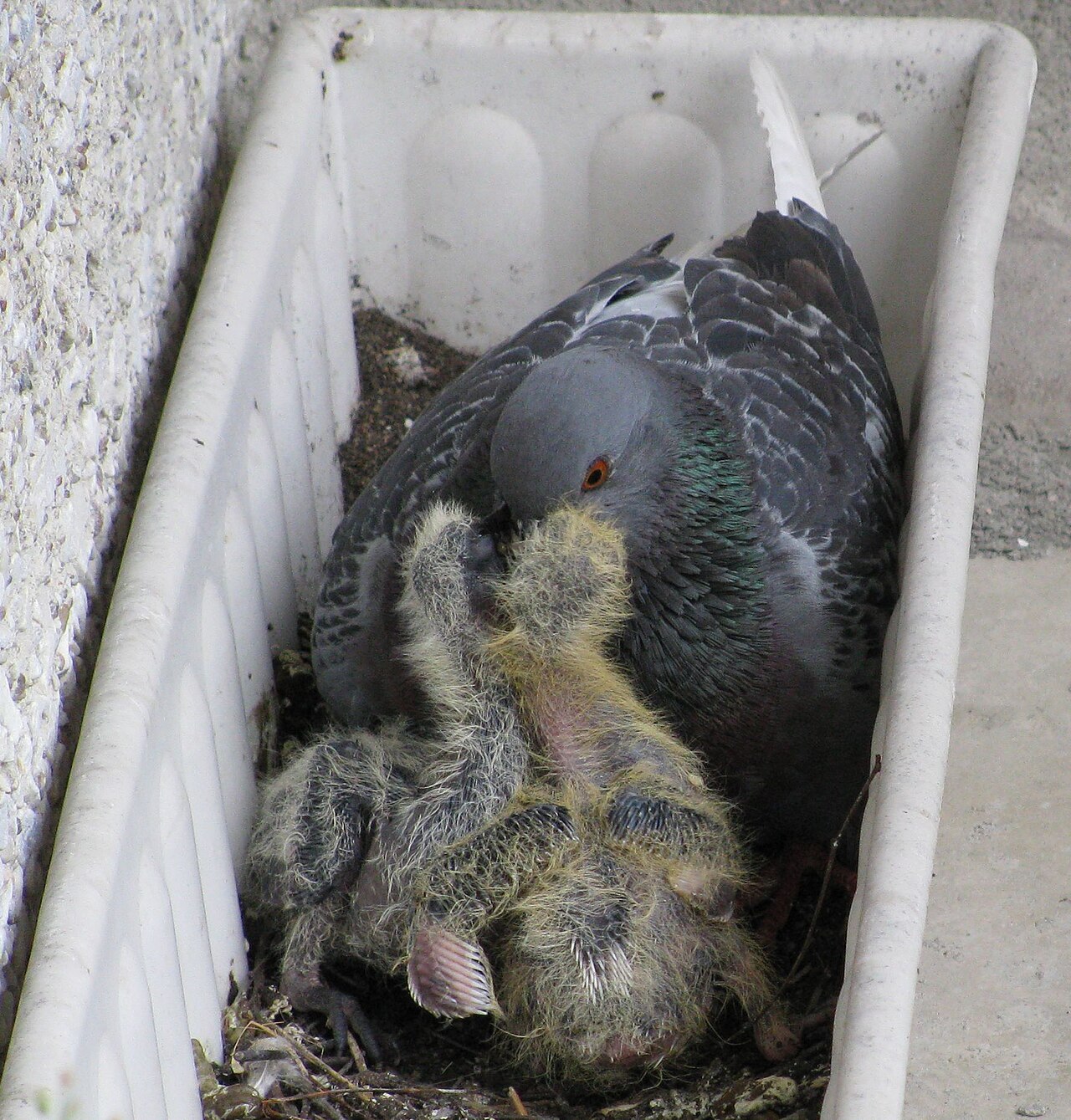
Both parents feed the squabs with crop milk, a rich secretion made in the crop (see do pigeons produce milk). Seed-eating pigeons switch over about 4 to 7 days to feeding mostly regurgitated seed (Merck Veterinary Manual (opens in new tab)). Squabs are full size and ready to leave the nest at about four weeks.
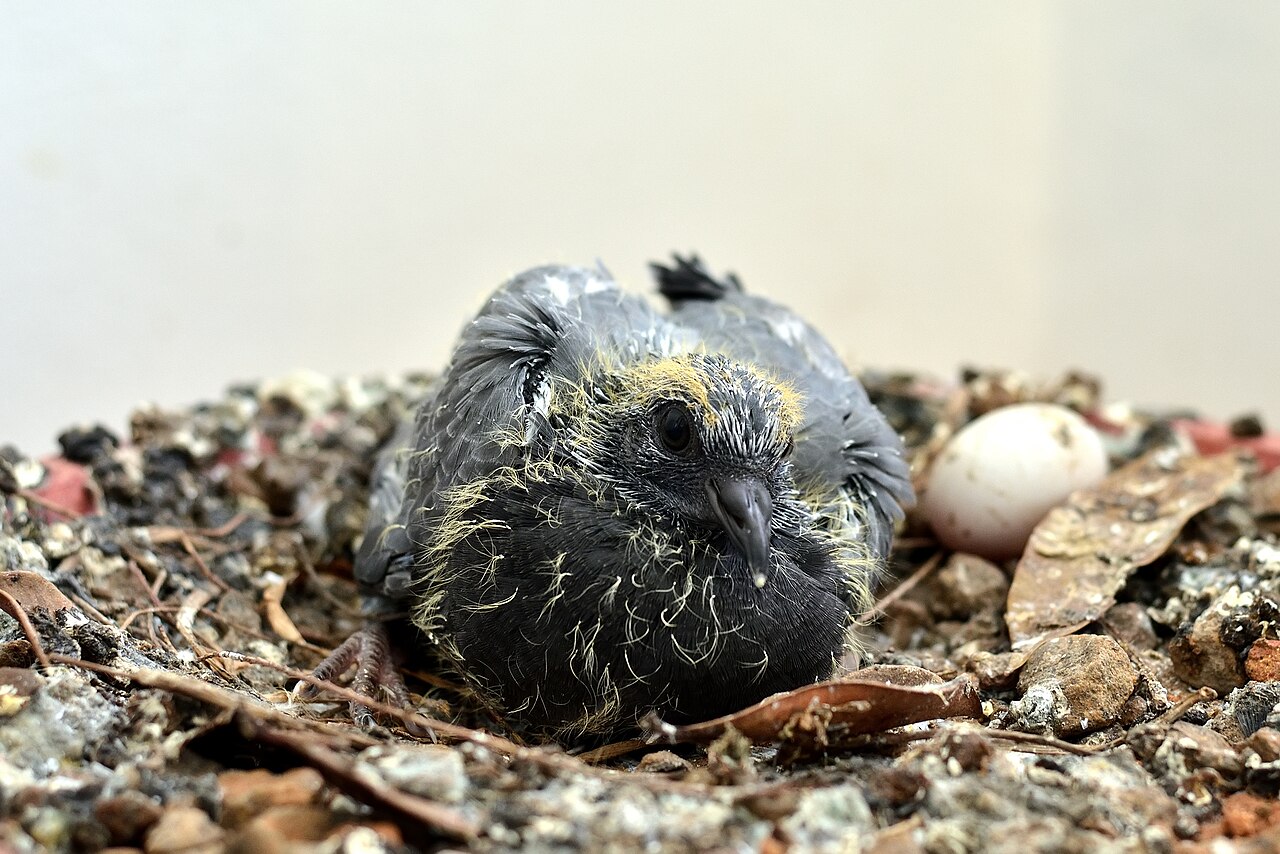
The timing is set by the bird, not the keeper. Nothing in food, light or housing makes an egg hatch sooner. What you can change is whether a pair is free to start the next round on schedule.
Give every pair two nest boxes
This is the one change that clearly raises output. About a week after the squabs hatch, the hen starts a new nest and the pair ends up sitting on eggs in one box while feeding squabs in another (Oregon State 4-H manual (opens in new tab)). Wisconsin 4-H advises more than one nest per pair for the same reason, and an eXtension guide says a second nest for each pair increases production (eXtension guide (opens in new tab)).
Without a second box, the pair either lays beside growing squabs or fights a neighbour for a box. Extra boxes around the loft also reduce quarrels between pairs. Our guide on making nest boxes for pigeons has dimensions, and our page on nesting materials covers what to put in them.
Pair birds properly
Keep only mated pairs in the breeding loft if you can. Oregon State warns that single birds can cause family problems, and that eggs may be broken and squabs killed in fights. Two females with no male may pair up and both lay infertile eggs in one nest, so check the sex of birds you buy (how to sex a pigeon).
To make a planned pairing, take the chosen birds out of their old pairs and keep them together alone for one to two weeks. Within that time the new pair is usually firmly mated and can go back into the breeding pen. Pairing can take a day or a month, so give birds space and don’t disturb them (how pigeons mate).
Feed for breeding
Breeding birds need a balanced diet with protein, and Oregon State names peas and soybeans as good sources. Commercial mixes contain the main nutrients, but check that your birds eat every grain in the mix, not only the favourites. Our page on the best pigeon food compares options.
Some links on this page go to Amazon. If you buy through them we may earn a small commission, at no extra cost to you. As an Amazon Associate I earn from qualifying purchases.
Merck Veterinary Manual says seed-eating pigeons can also be fed commercial pigeon pellets. If you buy a mix, a seed mix designed for pigeons (opens in new tab) is a simpler start than a home blend. Sprouted seed makes an occasional extra.
Loft conditions that keep pairs settled
A pair that feels threatened can abandon eggs or stop laying. The aim is a loft that is quiet and safe:
- Privacy: at least one part of the loft that predators cannot see into. Wire-only walls let cats look straight in, and Oregon State says the loft should be cat- and rodent-proof (see natural predators of pigeons).
- Shelter: part of the loft protected from wind, draughts and damp, with both sun and shade.
- Cleanliness: clean the loft and nest boxes at least once a week, because flies lay eggs in fresh droppings and, if they hatch, can make birds ill.
- Peace: each pair needs its own nest box area. Avoid lifting birds or squabs out of the nest for no reason.
Need a loft? Our guide on building a pigeon coop explains the build, and there is a page on pigeon lofts for sale. Many breeders say tobacco stems make good nesting material, but we found no evidence that they raise breeding rates.
How many eggs can a pair lay in a year?
Adding the timings above gives a new clutch about every four to five weeks at best, so 10 to 12 clutches or 20 to 24 eggs in theory. A pair that is already close to this limit cannot be hurried, because the hen can only make eggs so fast. Our page on how many eggs a pigeon lays covers clutch size.
Few keepers push this far. Oregon State notes that many breeders separate cocks and hens in October and re-mate them in April, partly because extreme cold can freeze eggs and squabs. A light in the loft keeps winter production going, but it only extends the season. Resting the birds is kinder than running them through every round.
What won’t speed things up
A crowded loft, a sudden change of food, rushing new pairs together or handling nesting birds all slow breeding down. Do not breed from a sick or underweight bird, and check droppings and appetite first. If a pair has stopped sitting, see a pigeon not sitting on eggs. For an egg that has gone cold, our guide to caring for a pigeon egg may help.
Please note: this article is general information and is not a substitute for advice from an avian vet or a licensed wildlife rehabilitator. If a bird looks sick or injured, contact a vet or your local rescue (see our list of pigeon-friendly rescue centres).

New to pigeon keeping?
A Beginner’s Guide to Pigeon Keeping. Practical care for pets, lofts and first-year keepers.
Price: $2.95.
Questions about breeding pigeons
How long does it take pigeons to breed?
Pairing can take a day to a month. After that the hen lays two eggs, which hatch after about 17 days, and the squabs leave the nest at about four weeks. A new round can start in a second nest about a week after hatching.
How often do pigeons lay eggs?
A pair lays two eggs per clutch. By rearing back-to-back rounds in two nest boxes, a pair can lay again about every four to five weeks, though many breeders let pairs raise fewer rounds.
Can I make my pigeons lay more eggs?
Only up to a limit. A second nest box, balanced feed and a calm loft help pairs keep to schedule, but a hen cannot lay faster than her body allows.
How many nest boxes does a pair of pigeons need?
Two. The hen starts a new nest while the squabs are still in the first, and the extra box stops fights over space.
Why are my pigeons not breeding?
Common reasons are birds that are not truly paired, two birds of the same sex, an older pair that no longer lays fertile eggs, cold weather and disturbance. A sick bird also should not be bred from, so see a vet if you are unsure.
Is it cruel to keep pigeons breeding constantly?
It can wear hens out. Many breeders split cocks and hens over winter and re-pair them in spring, which gives birds a rest and avoids eggs freezing.
Sources
This guide is based on:
- Oregon State University Extension (2008). 4-H Pigeon and Dove Project, 4-H 154. (opens in new tab)
- University of Wisconsin 4-H. 4-H Pigeon Project health supplement, 4H369H. (opens in new tab)
- eXtension (Cooperative Extension). Raising pigeons in small and backyard flocks. (opens in new tab)
- Merck Veterinary Manual. Nutrition in Pigeons and Doves (Columbiformes). (opens in new tab)
Last updated 20 November 2026 · Keeping