
Pigeon racing is a very popular sport.
There are many people who keep pigeons and breed them for racing, because they enjoy the thrill of watching their birds fly home as winners.

One thing that all pigeon racers want to do though is win more races than they lose.
If you are looking for some practical tips on how to train your pigeons better so you can increase your odds of winning, then this article will provide you with just that!
In this blog post we will cover nine practical tips that every pigeon breeder should know about in order to help them make sure their birds come back from each race with a victory under their belt (or wing):
1. Take Care Of Their Diet
It is important to make sure that your pigeons are well-fed and healthy.
If you want them in top shape for racing, then they need a balanced diet with enough protein for muscle development and repair, and enough carbohydrates and fats to fuel flying.
If they’re not getting enough protein, then their muscles won’t be able to grow properly which will affect how fast they can fly in races.
When pigeons are racing or breeding they need more protein than at rest, typically a mix of around 16–18% protein instead of about 12–14%.
A racing pigeon eats roughly 30–40 grams of feed a day, so the protein level of that mix matters.
Things such as cowpeas, Canada peas and other pea varieties can be added to your pigeons feed to increase their protein intake if needed.
You can feed them a pigeon conditioner which is specially formulated to keep racing pigeons in the best physical condition.
Many pigeon fanciers mix Ceylon cinnamon into their racing pigeon’s feed as it has many helpful properties which keep your pigeons healthy.
Cinnamon is often said to have antibacterial and anti-inflammatory properties, although there is little research on its effects in pigeons, so use it only in small amounts.
Make a point of giving them plenty of feed every day – especially during breeding season when it’s crucial that both parents are strong so that as many chicks as possible hatch and stay healthy.
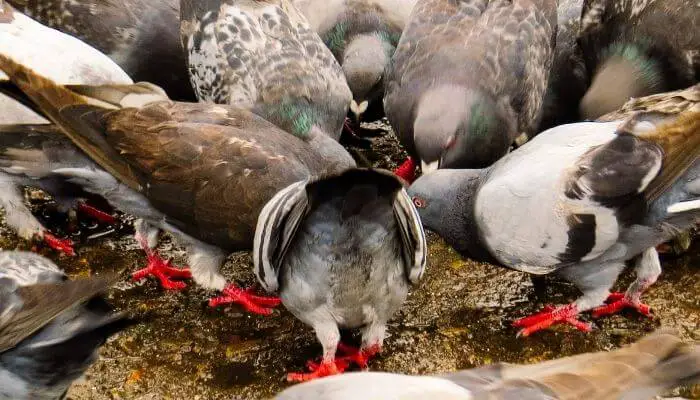
Make it easy on yourself by using pigeon feeders instead or having someone else do the feeding while training sessions go underway nearby (or even better yet – have a feeding system set up!).
This will save time because there’s no more worrying about forgetting food out overnight which could spoil if left too long outside.
You also won’t be wasting any money either since this way all birds get fed at once without needing extra attention from anyone!
2. Pay Attention To Their Hydration
One thing many people don’t realize is that pigeons need a lot of water to stay healthy and perform well in races.
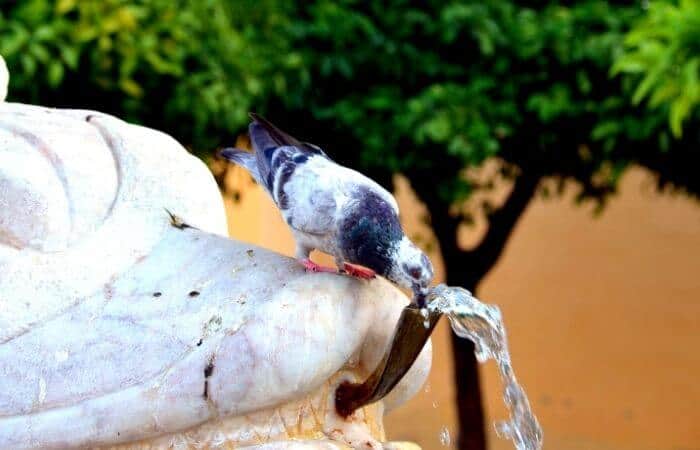
Make sure they have access at all times and that you change the container regularly so it doesn’t get dirty or smelly.
3. Take Care Of Sick Pigeons
If your pigeon isn’t feeling well, then it’s best not to take them out for training sessions because this will only make their condition worse!
Instead, give him some time off from racing until he’s better again – even if that’s just one day.
It might seem like more work in terms of feeding but trust me when I say there are no shortcuts here: taking care of your pigeons will increase their likelihood of winning races later on down the line.
4. Keep Coops Clean
Cleanliness goes hand-in-hand with good health.
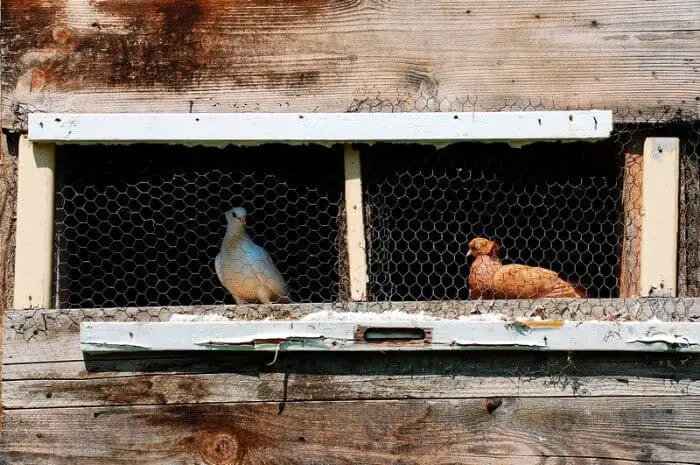
Make sure you clean your pigeon’s poop out of their coop and also clean their feeders regularly to avoid any bacteria or fungus from building up.
5. Train Them For Stamina
Pigeon racing isn’t just about speed: it’s also an endurance sport where stamina plays a big part.
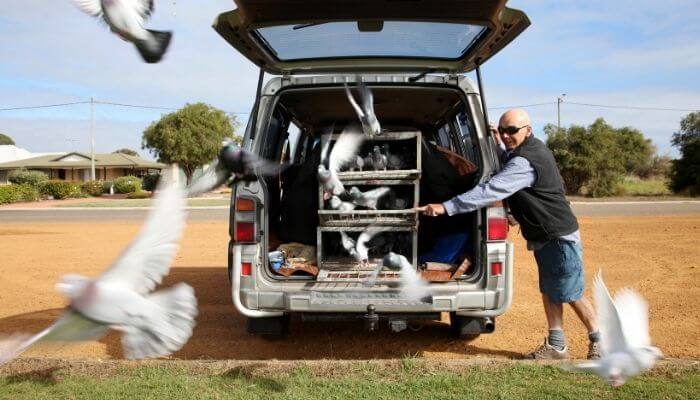
That’s why many fanciers build training flights up to around 45 minutes or more, so that the pigeons can build up their stamina.
6. Let Them Rest
Don’t forget to give them a break every now and then.
If they’re not getting enough rest between training sessions it will affect how well they’ll be able to fly in races.

So make sure you give them at least one day off training each week so that their muscles get time to recover.
7. Use A Pigeon Breeding Index
The best way of making money from racing usually isn’t prize money: for many fanciers it is breeding and selling good birds.
But if you want this side-line income stream (and many pigeon breeders do!), don’t just focus all efforts into producing as much as possible.
You need to be selective about which pigeons you want in your breeding loft, and the best way of doing this is by using a ‘breeding index’.
8. Find Fast Birds
As a rough rule of thumb for selecting likely winners (race speeds depend heavily on wind and weather): they should have won at least one race with a velocity of at least around 100 km/h (about 62 mph).

If their best race speeds are well below that, they are less likely to win races.
Don’t waste time on them as they are unlikely to achieve anything more than mediocre race finishes.
9. Keep Performance Records
Keep records of the performance and breeding results for each bird, so that it’s easy when selecting which birds are best suited as parents in your next generation.
This is a good way to keep track of how well they’re doing!
If one pigeon has been winning races but not producing any offspring then he may have a fertility problem, illness or injury – this will need investigating before deciding whether his genes should continue into future generations.
It’s also worth noting if two pigeons have similar racing performances with different speeds (e.g. 60 mph vs 70 mph), the faster bird is usually the better choice for breeding future race winners.
A great way of working this kind of thing out is by using a pigeon tracker these allow you to digitally record exactly where your pigeon goes, how fast they fly and their altitude.
This can then be downloaded, viewed and analyzed once they return.
Last updated 24 October 2026 · Racing